Developing a Lymphoma Treatment using Targeted Drug Delivery
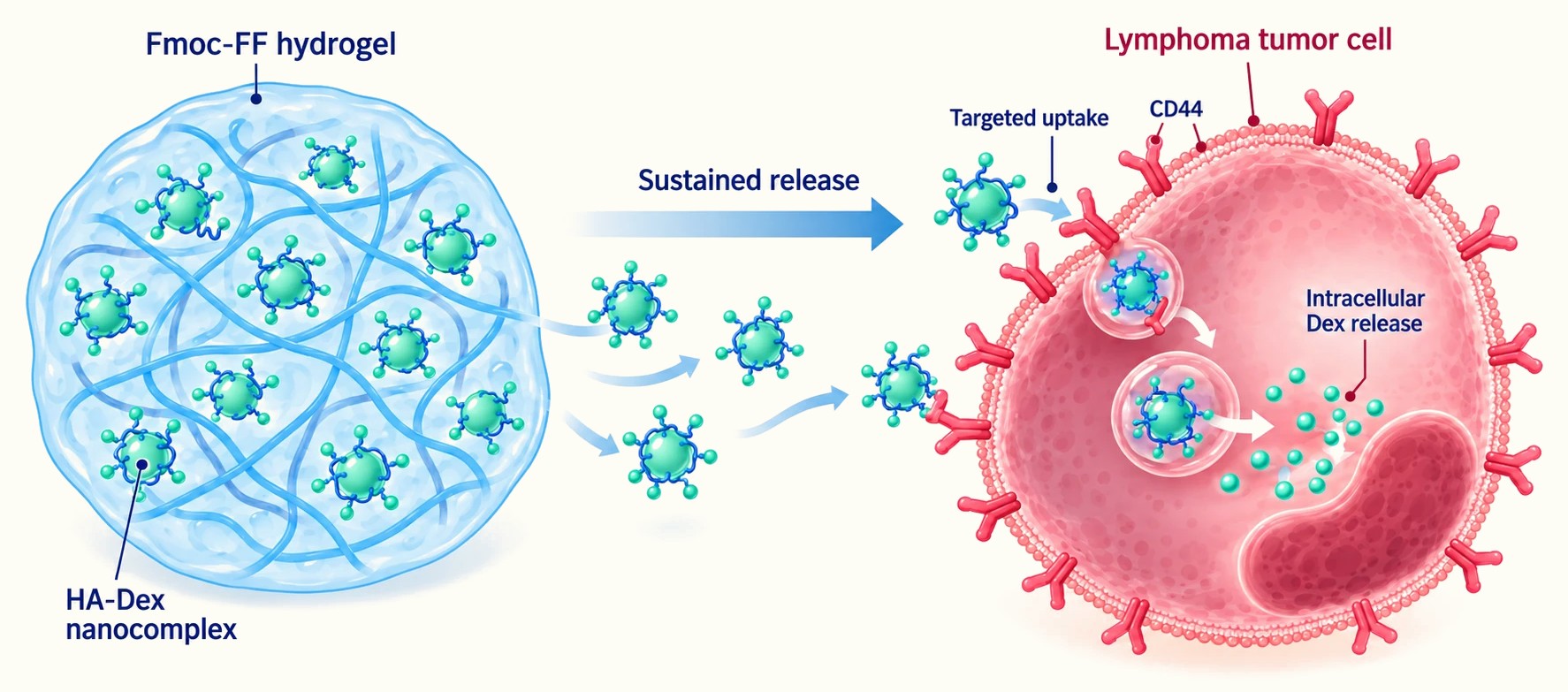
As a senior at Loomis Chaffee, two classmates and I proposed, secured about $1,500 in funding for, and carried out a research project on self-assembling peptide hydrogels for targeted lymphoma treatment. We complexed dexamethasone (DEX), a corticosteroid used against lymphoma, with hyaluronic acid (HA) into a hydrogel made from the dipeptide Fmoc-FF. We hoped that, since HA binds CD44—a receptor that lymphoma cells overproduce—we could develop a cell-specific drug delivery system to treat tumorous lymphoma.
Characterization
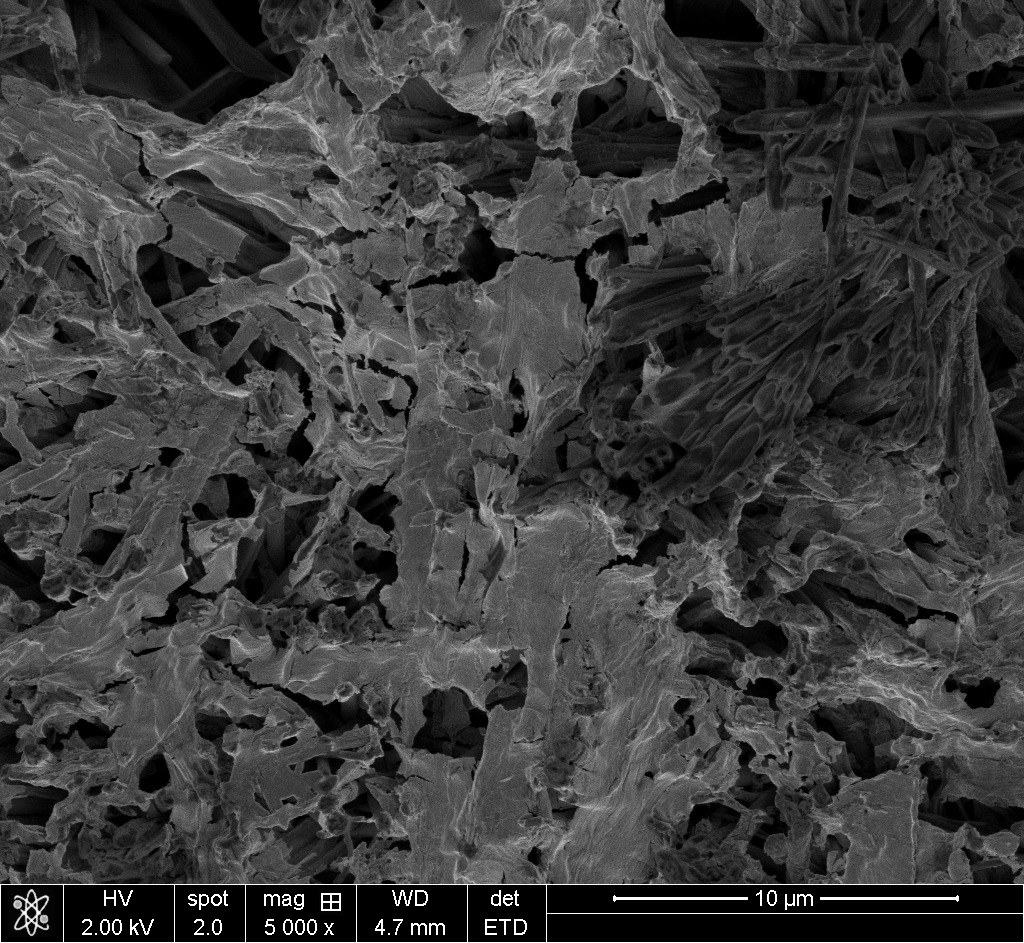
We characterized the gels with FTIR, UV-vis spectroscopy, SEM, and light and fluorescence microscopy. We worked with UConn's Bioscience Electron Microscopy Laboratory for SEM and with the Burgess Research Lab for freeze-drying. SEM showed fibrous, porous networks, and their structure changed with the HA and MgCl₂ content.
Drug Release
To measure drug release, we ran 72 hydrogels in buffer at body temperature (37 °C) for 4–6 days. We tested two Fmoc-FF concentrations, six DEX loadings, and two pH levels: 7.4, which matches normal tissue, and 6.5, which matches a tumor. The gels released the drug slowly and steadily, about 5–7.5% of the load, with no initial burst. Fitting the data to standard release models (Korsmeyer–Peppas, R² up to 0.99, n ≈ 0.34–0.40) showed the drug leaves by diffusion rather than by the gel breaking down.
Cell Studies
In the spring, we moved to cell work with Farage cells, a lymphoma cell line (diffuse large B-cell lymphoma) that overproduces CD44. We set up two cell-viability tests (Trypan blue and MTT), confirmed them with a heat-killed control, and developed a way to separate cells from the gel for imaging. The MTT assay showed a significant drop in cell viability with treatment, but more research is needed to confirm this trend and the extent of the formulation's effect, since we ran out of time before graduating. The project adds to work on peptide-based nanomaterials as biocompatible, tunable vehicles for targeted cancer therapy.